
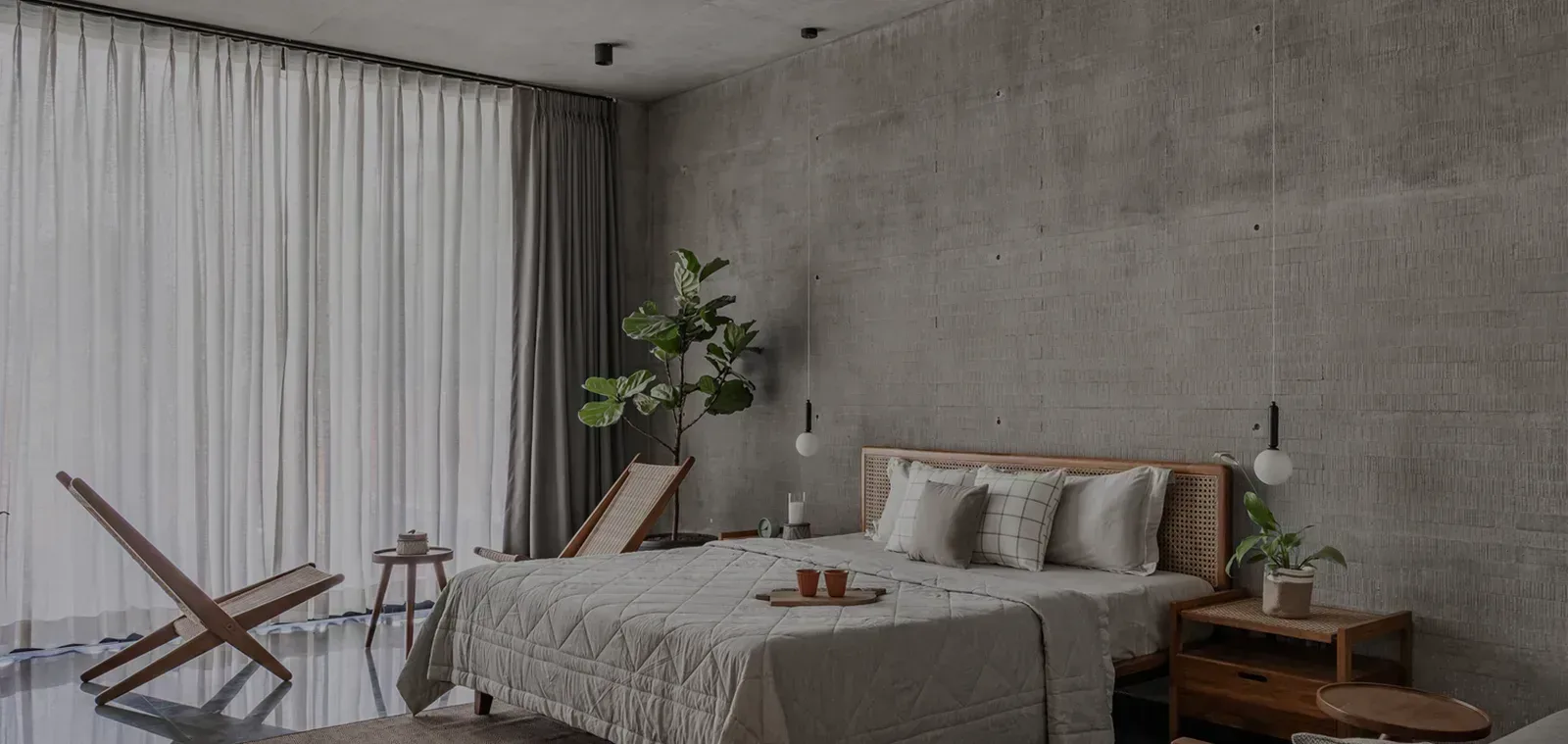
Wall cladding is one of the easiest ways to give a home a stronger architectural identity. It protects surfaces, adds texture, and helps elevations look complete. The right material depends on the design language, climate exposure, maintenance needs, and budget.
1. Terracotta cladding
Terracotta cladding is ideal for homes that need warmth, texture, and an earthy finish. It works well for facades, balcony walls, courtyard backdrops, and feature walls. The natural clay tones pair beautifully with both traditional and modern architecture.
2. Brick cladding
Brick cladding creates a timeless exposed masonry look without the mass of full brick construction. It is a strong option for accent walls, exterior elevations, and rustic-modern interiors. Colour, texture, and joint style can dramatically change the final appearance.
3. Natural stone cladding
Stone offers a premium and highly durable surface. It suits boundary walls, entrance facades, landscape areas, and statement interiors. Because stone can be heavy, substrate strength and fixing method should be checked carefully.
4. Concrete cladding
Concrete cladding gives a clean contemporary finish, especially for minimalist homes. It can look bold, refined, or industrial depending on the texture and panel size. Proper sealing helps control staining and weather impact.
5. Wood-look cladding
Wood-look cladding brings warmth to modern elevations while reducing the maintenance demands of natural wood. It is useful for balcony bands, soffits, entry walls, and mixed-material facades.
How to choose
For long-term satisfaction, compare samples on site and observe them in natural light. Also check water resistance, cleaning needs, fixing method, and how the material will age in the chosen location.
The best wall cladding material is not only beautiful. It should suit the site, support the architecture, and remain practical after installation.